Listen Up! Finding Your Perfect UK Business Bank Account Just Got Easier

Listen up! If you’re running a business in the UK, you know that managing your finances effectively is crucial. But let’s be honest, navigating the world of business banking can feel like a maze. Good news, though: Finding Your Perfect UK Business Bank Account Just Got Easier – and we’re here to show you how. Gone are the days of endless paperwork and confusing terms; today’s market offers a fantastic range of options designed to make your business life smoother. This guide will walk you through everything you need to know, so you can confidently choose the ideal UK business bank account for your venture.
Why You Need a Dedicated Business Account (Seriously!)
Before we dive into the ‘how,’ let’s quickly cover the ‘why.’ While it might be tempting to just use your personal account, it’s a practice best avoided. A dedicated UK business bank account isn’t just a nice-to-have; it’s a fundamental step for any serious business.
Legal Requirements & Tax Time
For most limited companies, it’s a legal requirement to have a separate business account. Even for sole traders, it simplifies things immensely. Come tax season, having all your income and expenditure clearly separated makes filing your self-assessment or company tax return much less of a headache. HMRC will thank you, and so will your accountant!
Professionalism & Financial Clarity
Using a business account projects a professional image to your clients and suppliers. It also provides crystal-clear visibility of your business’s financial health, making budgeting, forecasting, and decision-making far more accurate. No more guessing which transactions are business-related and which are for your weekly groceries!
What to Look For: Key Features & Considerations
Now that you’re convinced, let’s explore what makes Finding Your Perfect UK Business Bank Account Just Got Easier with the right knowledge. There are several key factors to weigh up when making your choice.
Fees and Charges
This is often the first thing businesses look at, and rightly so. Business bank accounts can come with various fees, including:
- Monthly account fees: Some providers charge a flat monthly fee.
- Transaction fees: Charges for debits, credits, direct debits, and transfers.
- Cash handling fees: If you deal with a lot of cash, these can add up.
- International transfer fees: Crucial if you operate globally.
Look for providers that offer free banking periods for startups or have fee structures that align with your business’s transaction volume. Don’t forget to read the small print!
Online Banking & Mobile App Experience
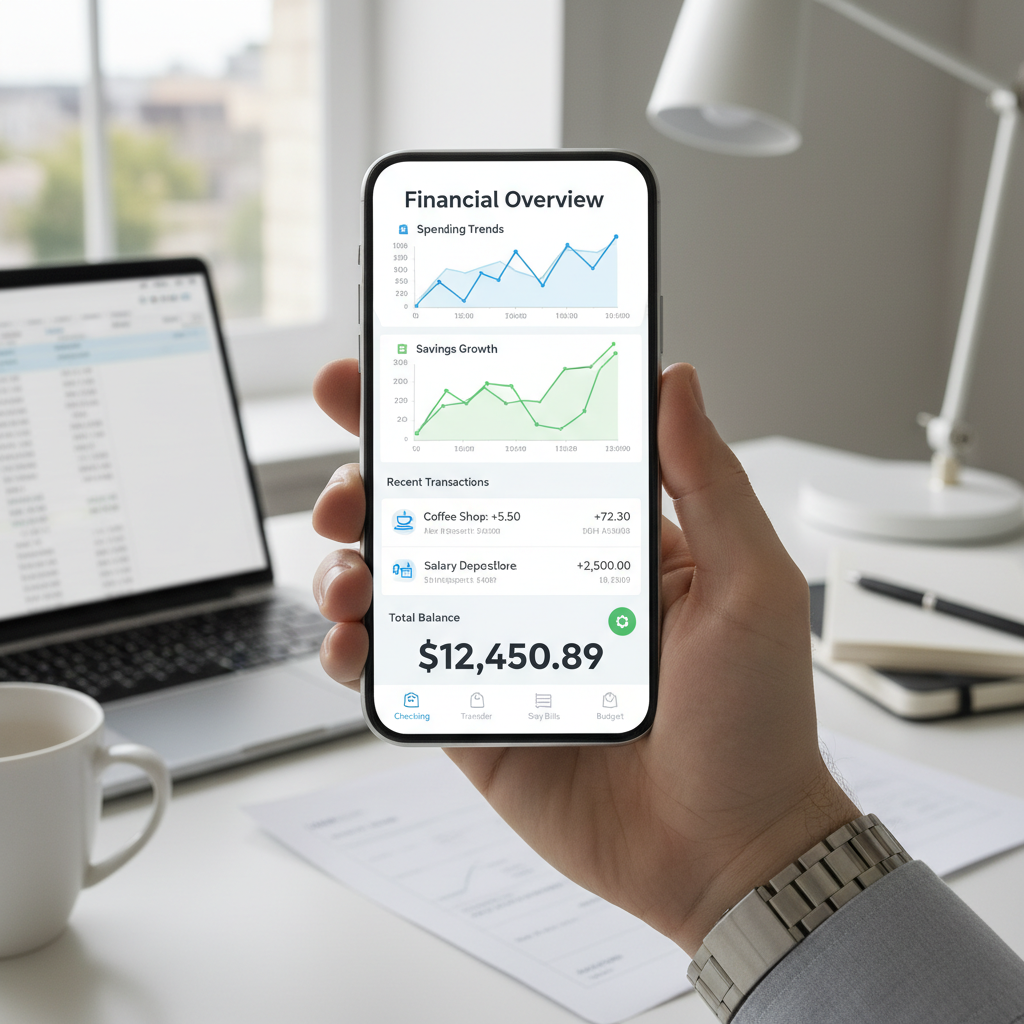
In today’s fast-paced world, efficient online and mobile banking are non-negotiable. You’ll want an intuitive platform that allows you to:
- Check balances and transaction history instantly.
- Make payments and manage direct debits/standing orders.
- Set up payment alerts and notifications.
- Access customer support.
Customer Support
When things go wrong, or you have a query, good customer support is invaluable. Consider:
- Availability: Are they 24/7 or only during business hours?
- Channels: Phone, email, live chat, in-branch (if traditional).
- Dedicated business support: Some banks offer specialized teams for business clients.
Integration with Accounting Software
For seamless financial management, look for accounts that integrate directly with popular accounting software like Xero, QuickBooks, or FreeAgent. This saves hours of manual data entry and helps keep your books tidy.
Overdrafts & Lending
While you might not need it now, consider your future growth. Does the bank offer business overdrafts, loans, or other lending facilities should you need them down the line? It’s often easier to secure funding from a provider you already bank with.
Traditional vs. Challenger Banks: What’s Your Vibe?
When you’re Finding Your Perfect UK Business Bank Account Just Got Easier, you’ll notice a clear divide in the market:
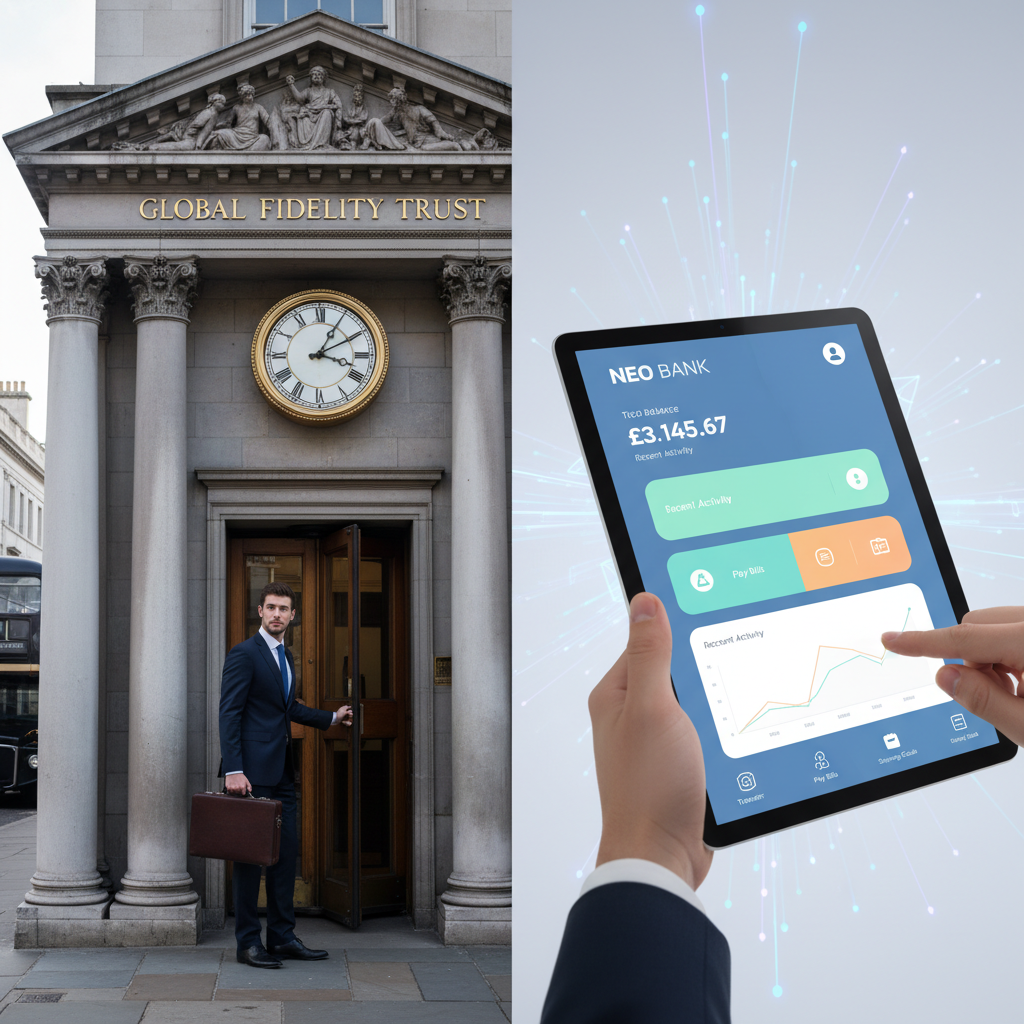
- Traditional Banks (e.g., NatWest, Lloyds, Barclays): These are the high-street giants. They offer extensive branch networks, a wide range of services, and often dedicated relationship managers. They tend to be well-suited for larger, more established businesses or those that prefer face-to-face interaction.
- Challenger Banks (e.g., Starling Bank, Monzo, Revolut): These digital-first banks are shaking things up. They typically offer slick mobile apps, lower fees (often free for basic accounts), and innovative features. They’re popular with startups, small businesses, and those who prefer to manage everything digitally.
Making the Switch (or Starting Fresh)
The process of opening a UK business bank account is typically straightforward. You’ll usually need:
- Proof of identity and address for all directors/partners.
- Business registration documents (e.g., Certificate of Incorporation).
- Details about your business activities and projected turnover.
Don’t rush the decision. Take the time to compare a few options based on your specific needs, and remember that Finding Your Perfect UK Business Bank Account Just Got Easier when you’re well-informed.
Conclusion
Choosing the right UK business bank account is a critical decision that can significantly impact your financial efficiency and growth. By understanding your business needs and carefully evaluating the options available, you’ll find that the process of finding your ideal banking partner doesn’t have to be a chore. So, go ahead, compare, choose, and get back to what you do best – running your amazing business!